

Common Questions about IBD
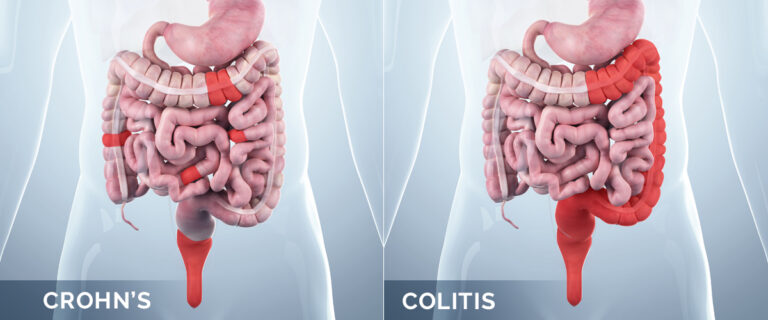
Inflammatory bowel disease is an autoimmune disorder involving chronic inflammation of the digestive tract. It includes:
- Ulcerative colitis
- Crohn’s disease
No, it is an autoimmune condition and does not include any infection or anything you eat. However, these factors can aggravate the inflammation.
Ulcerative colitis involves lesions along the lining of the large intestine i.e. colon and rectum only.
Crohn’s disease involves lesions anywhere in the gastrointestinal tract which often extends up to the deeper layers. It can cause ulcers in the large intestine as well as in the small intestine.
Yes, there is genetic predisposition to both the diseases.
The symptoms depend upon the severity of lesions and the site of inflammation. Initially the patients experience few episodes of active illness followed by periods of remission.
The signs and symptoms include-
- Diarrhea
- Fatigue
- Abdominal colic
- Blood in stool
- Reduced appetite
- Weight loss
No, there is no cure for this condition. The treatment can help in reducing the inflammation and the frequency of remission.
It is a lifelong condition. But homeopathic medicines can help in management of the symptom of IBD.
IBD is a chronic disease and thus needs a supportive treatment to maintain the symptoms and reduce the frequency of flare ups.
It is used to:
- Diagnose the condition
- Assess the flare ups
- Monitor the treatment
- Screening for early colon cancer
Irritable bowel syndrome and irritable bowel disease both are digestive disorders that affects the gastrointestinal tract. IBS is a condition involving abdominal cramps, diarrhea, bloating and constipation. It does not cause any inflammation of the bowels and blood in stool as IBD.
The main risk of cancer would be colorectal or cancer of the large intestine, that comes from the chronic inflammation of the colon.
If the patient has narrow small bowel related to Crohn’s disease, stricture formation, diet becomes very important. If the diet includes too much rough food or fiber, the risk of obstruction becomes higher, leading to following signs and symptoms:
- Abdominal pain
- Vomiting
- Loud noises in the bowel
Yes, but pregnancy is best avoided during active phase of IBD. It should be planned during remission. A few of medicines used to treat IBD can be harmful to a fetus, most are safe.
When Should You Consult a Homeopathic Doctor for IBD?
If you are experiencing recurring digestive symptoms, frequent flare-ups, or difficulty managing IBD, it is advisable to consult a qualified homeopathic doctor.
Early and individualized treatment may help in better long-term management.
For detailed information, read our IBD Treatment in Homeopathy page.
Still Have Questions About IBD?
Get personalized guidance based on your symptoms and medical history.
📞 Book an Online Consultation
💬 Chat on WhatsApp
🌍 Medicine delivery available across India & internationally
Consult Dr. Thind’s Homeopathic Clinic today.