

What is Pulmonary Fibrosis?
Pulmonary fibrosis is a condition that causes scarring and stiffness of the lung tissues, making it difficult to breathe. As the lung tissue becomes thickened and scarred, the lungs lose their ability to transfer oxygen efficiently into the bloodstream.
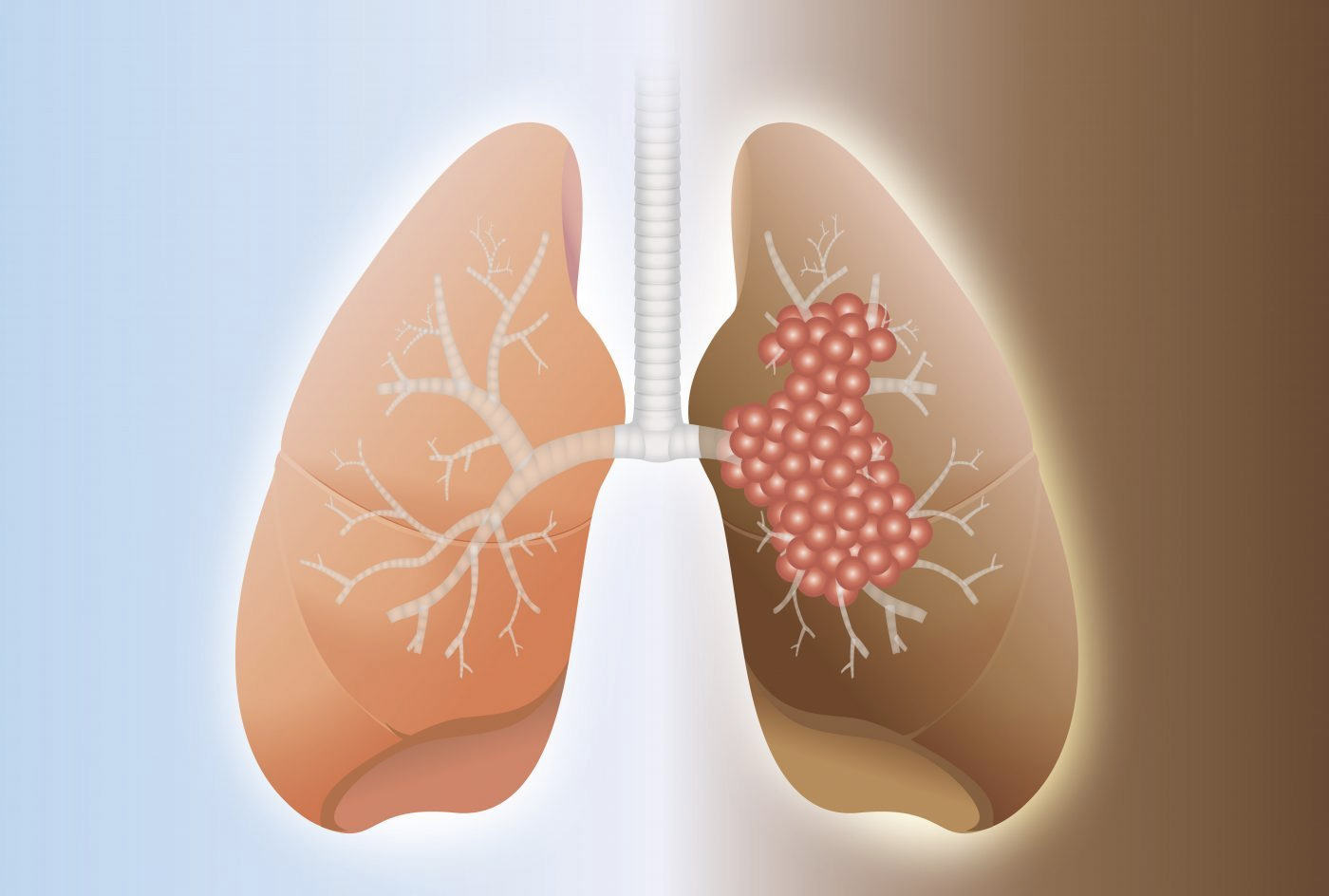
In pulmonary fibrosis, the walls of the alveoli (air sacs in the lungs) gradually scar and thicken. This reduces oxygen delivery to body tissues and may lead to complications such as respiratory failure and heart failure over time.
Can homeopathy help in treating pulmonary fibrosis?
Homeopathy does not claim to reverse lung scarring. The aim of treatment is to manage symptoms, improve breathing comfort, and support overall vitality through individualized remedies.
There is potential in homeopathic medicine for managing pulmonary fibrosis. Homeopathy treats the person as a whole, rather than just focusing on the disease. Treatment is individualized based on symptoms, disease progression, and overall health.
Pulmonary fibrosis requires careful long-term management. An individualized consultation can help determine the most suitable approach for your condition.
Book Online Consultation | Talk to Doctor on WhatsApp
Are Pulmonary Fibrosis and COPD the Same?
No, pulmonary fibrosis and COPD (Chronic Obstructive Pulmonary Disease) are different lung diseases. While both can cause breathing difficulties, they affect the lungs in different ways and have different underlying mechanisms.
COPD (Chronic Obstructive Pulmonary Disease)
This is a lung disease in which lung tissues are damaged, the alveoli are destroyed, and airways become irritated and inflamed.
Pulmonary Fibrosis
This involves damage to the interstitial tissues of the lungs (the space between blood vessels and other structures), leading to thickening and scarring, rather than inflammation of the airways.
What are the causes of pulmonary fibrosis?
Pulmonary fibrosis can develop due to a variety of factors, including:
- Smoking: Smoking is one of the primary causes of lung tissue damage and increases the risk of developing pulmonary fibrosis.
- Autoimmune Diseases: Conditions like rheumatoid arthritis, systemic sclerosis, and lupus may contribute to pulmonary fibrosis.
- Infections: Previous Infections can lead to scarring of lung tissue.
- Environmental Exposure: Long term exposure to harmful substances like asbestos, coal dust, and mold can contribute to the development of pulmonary fibrosis.
- Genetics: A family history of pulmonary fibrosis may increase the risk.
- Medications: Certain drugs, such as chemotherapy agents, may cause pulmonary fibrosis as a side effect.
- Idiopathic: In many cases, the exact cause is unknown (idiopathic pulmonary fibrosis).
Who is more prone to get pulmonary fibrosis?
You may be at a higher risk of developing pulmonary fibrosis if you:
- Are male
- Are a smoker or have a history of tobacco use
- Are over 50 years of age
- Have occupational or environmental exposure to dust, chemicals, or fumes
- Have received radiation therapy to the chest
- Have a family history of pulmonary fibrosis or other interstitial lung diseases
What Are the Symptoms of Pulmonary Fibrosis?
Symptoms of pulmonary fibrosis may include:
Shortness of breath
Shortness of breath, particularly during physical activity, is a hallmark symptom of pulmonary fibrosis. In the early stages, breathlessness might only be noticed during exertion, but as the condition progresses, it can occur even at rest.
Dry, persistent cough
The cough is typically non-productive, meaning it doesn’t bring up mucus or sputum. This persistent cough is due to the inflammation and scarring of the lung tissues that irritate the airways.
Extreme weakness
Patients often feel an overwhelming sense of fatigue or weakness. The persistent low oxygen levels contribute to feelings of exhaustion and lethargy.
Weight loss
As the disease progresses, weight loss may occur despite normal or increased appetite. This could be due to the body’s increased energy expenditure in an attempt to compensate for the oxygen deprivation.
Aching muscles and joints
Some patients experience musculoskeletal pain, including aching muscles and joints. This could be related to both the direct effects of pulmonary fibrosis and secondary effects from decreased mobility.
Clubbing
Clubbing refers to the widening and rounding of the tips of the fingers or toes. This occurs due to long-term low oxygen levels, which affect the capillaries and blood flow to the extremities. Clubbing can also be seen in other chronic lung diseases and heart conditions.
Cyanosis
Cyanosis is the bluish discoloration of the skin, particularly around the lips, fingers, and toes, caused by low oxygen levels in the blood (hypoxemia). Cyanosis becomes more apparent as the disease progresses and the lungs’ ability to oxygenate blood declines.
How can we diagnose pulmonary fibrosis?
The diagnosis of pulmonary fibrosis is based on several factors and tests:
Medical History and Case Taking
This includes gathering information about the patient’s symptoms, duration of the illness, and any factors that could contribute to lung damage. A family history of lung disease, particularly interstitial lung disease or pulmonary fibrosis, can suggest a hereditary component. This is important, as some forms of pulmonary fibrosis may run in families. It is also important to assess for underlying medical conditions that may predispose a person to lung disease, such as autoimmune disorders, or previous respiratory illnesses. Any past history of cancer, radiation therapy, or other diseases that might affect lung function is also noted.
Environmental and Occupational History
Pulmonary fibrosis can be exacerbated by exposure to environmental or occupational hazards.
- Occupational Exposures: Exposure to dusts, chemicals, and other hazardous materials such as asbestos, coal dust, or silica dust in the workplace can cause or worsen pulmonary fibrosis (e.g., pneumoconiosis). Jobs in mining, construction, shipbuilding, or textiles are common risk factors.
- Environmental Exposures: Living conditions, such as exposure to second-hand smoke, pollution, or environmental toxins (e.g., mold, animal dander), may contribute to or worsen lung disease.
- Smoking History: Smoking is a well-known risk factor for many respiratory diseases, including emphysema, chronic bronchitis, and can contribute to the development of pulmonary fibrosis, though it is not the primary cause.
Pulmonary Function Testing
Pulmonary function tests are vital in assessing how well the lungs are working. These tests evaluate lung volume, airflow, and the efficiency of oxygen exchange in the lungs.
What Are the Diagnostic Tests for Pulmonary Fibrosis?
Various diagnostic tests can confirm the presence of pulmonary fibrosis:
Blood Test
To rule out other diseases that have similar symptoms (e.g., infections, autoimmune conditions).
Imaging Tests (X-ray / CT Scan)
X-rays and CT scans are used to identify fibrosis in lung tissue and rule out other conditions.
Pulmonary Function Test
Measures lung function and how well the lungs can exchange gases. A decrease in lung volumes is often observed.
Oxygen Desaturation Study
Measures the level of oxygen in the blood, particularly during physical activity or sleep.
Lung Biopsy
A lung biopsy may be necessary in some cases to confirm the extent and type of fibrosis.
What are the complications caused by pulmonary fibrosis?
Some of the complications caused by pulmonary fibrosis are:
Pulmonary Hypertension
Increased pressure in the pulmonary arteries, which can lead to right heart failure.
Heart Failure
Due to the heart working harder to pump blood through the lungs that are not receiving enough oxygen.
Respiratory Failure
When the lungs can no longer provide adequate oxygen to the body.
Infections
Chronic lung conditions make patients more susceptible to respiratory infections.
Lung Cancer
People with pulmonary fibrosis are at a higher risk for developing lung cancer.
How Can Pulmonary Fibrosis Be Prevented?
While there is no guaranteed way to prevent pulmonary fibrosis, the following lifestyle changes can help reduce the risk:
Quit Smoking
It is the most effective intervention for preventing further damage to the lungs in individuals at risk for pulmonary fibrosis. Smoking accelerates the inflammatory response in the lungs and contributes to the formation of fibrous tissue. In patients with pre-existing lung conditions, including pulmonary fibrosis, smoking can exacerbate symptoms and decrease the effectiveness of treatment.
Eat a Nutritious Diet
Nutritional deficiencies, especially in patients with chronic diseases, can worsen clinical outcomes. A diet rich in antioxidants, vitamins, and minerals supports lung health.
- Antioxidants such as vitamins C and E help neutralize free radicals that damage lung tissue.
- Omega-3 fatty acids from sources like fish and flaxseed can reduce inflammation and may have protective effects against lung diseases.
- Protein and Vitamin D are also critical for maintaining muscle strength and lung function.
Exercise Regularly
Physical Activity has numerous benefits for lung health. Regular exercise increases lung capacity, enhances oxygen delivery to tissues, and helps clear mucus from the airways, reducing the risk of infection and inflammation.
- In pulmonary fibrosis, exercise is vital for maintaining physical endurance, muscle strength, and overall function. Pulmonary rehabilitation programs, which involve monitored exercise regimens, are often recommended for patients with chronic respiratory diseases.
- Exercise can also improve mental health by reducing anxiety and depression, which are common in patients with chronic respiratory conditions.
Get Adequate Rest
Adequate Rest is essential for the body to recover and repair itself. Pulmonary fibrosis can be taxing on the body, and sufficient sleep ensures that the immune system functions optimally and inflammation is controlled.
- Sleep disorders, including obstructive sleep apnea, are common in patients with lung disease, and untreated sleep disturbances can contribute to fatigue, reduced lung function, and increased strain on the cardiovascular system.
- Proper sleep hygiene, including maintaining a consistent sleep schedule, creating a comfortable sleep environment, and addressing any sleep disorders, is an integral part of disease management.
What Lifestyle Changes Can Help Manage Pulmonary Fibrosis?
Patients with pulmonary fibrosis should consider the following lifestyle modifications to help manage the disease:
Avoid Environmental Toxins
Pulmonary fibrosis is often exacerbated by exposure to environmental toxins, which may include occupational dust, fumes, chemicals, and pollutants. Patients with pulmonary fibrosis should limit exposure to airborne irritants. This can involve the use of air purifiers, avoiding secondhand smoke, wearing protective gear when in hazardous environments, and ensuring proper ventilation in living and working spaces.
Monitor Oxygen Levels
Regularly checking oxygen saturation (SpO2) levels is essential for patients with pulmonary fibrosis, as the disease often leads to impaired gas exchange in the lungs. The use of a pulse oximeter can help patients monitor their oxygen levels, especially during physical activity, exertion, or sleep.
Maintain a Healthy Weight
Excess weight can exacerbate breathing difficulties, as the added weight places additional strain on the diaphragm and lungs. Obesity is also linked to other comorbidities such as obstructive sleep apnea, which can further complicate respiratory issues. Patients should maintain a BMI within the normal range (18.5-24.9). Regular monitoring of weight can help ensure that the patient is not at risk for complications related to obesity.
How Does Pulmonary Fibrosis Affect Daily Life?
Physical Exertion
Shortness of breath (dyspnea) is common, even with minimal exertion like walking or climbing stairs. As lung function declines, everyday activities become increasingly difficult. The reduction in lung capacity leads to a decreased ability to engage in physical activity. This can affect a person’s independence and make daily routines feel challenging.
Sleep Disturbances
Pulmonary fibrosis can worsen at night, making it particularly challenging for individuals to sleep. Breathing difficulties may become more pronounced when lying down, due to the redistribution of body fluids. In some cases, individuals with pulmonary fibrosis may also develop sleep apnea, where the airway becomes obstructed during sleep, exacerbating breathing difficulties.
Social and Emotional Impact
Patients may feel isolated due to difficulty engaging in social activities. The chronic nature of the disease can lead to depression and anxiety. Emotional support from loved ones or counseling, along with support groups, can help patients cope.
What is the Life Expectancy for Someone with Pulmonary Fibrosis?
The life expectancy for someone with pulmonary fibrosis varies depending on several factors, including the type of fibrosis (idiopathic or related to another condition), the patient’s overall health, and the effectiveness of treatment. On average, the survival rate may range from 3 to 5 years after diagnosis, but some individuals can live much longer, especially if they respond well to treatment.
What Other Diseases Can Mimic Pulmonary Fibrosis?
Several lung conditions can produce symptoms similar to pulmonary fibrosis, such as shortness of breath, chronic cough, and fatigue.
Because treatment and prognosis differ, correct diagnosis is very important.
Below is a comparison of conditions that may resemble pulmonary fibrosis:
| Condition | Key Features | How It Differs from Pulmonary Fibrosis |
|---|---|---|
| Chronic Obstructive Pulmonary Disease (COPD) | Chronic cough, shortness of breath, wheezing, history of smoking | COPD mainly involves airway obstruction and damage to air sacs, while pulmonary fibrosis primarily causes scarring and stiffness of lung tissue. |
| Asthma | Recurrent wheezing, chest tightness, shortness of breath | Asthma is usually reversible with bronchodilators, whereas pulmonary fibrosis is progressive and irreversible. |
| Interstitial Lung Disease (ILD) | Diffuse lung inflammation and damage, sometimes with scarring | Pulmonary fibrosis is one type of ILD. Other ILDs may involve inflammation without permanent fibrosis. |
| Sarcoidosis | Granulomas in lungs, chest pain, fatigue, skin lesions | Sarcoidosis often affects multiple organs and is typically diagnosed through imaging and biopsy. |
| Lung Cancer | Persistent cough, weight loss, coughing up blood | Lung cancer usually presents as a mass or tumor, while pulmonary fibrosis causes diffuse lung scarring. |
Commonly Used Homeopathic Medicines for Pulmonary Fibrosis (Individualized Selection)
The selection of medicine depends on the complete symptom picture and constitutional assessment. The remedies mentioned below are examples and should only be taken under professional supervision.
Silicea
Silicea is indicated in cases of suffocating cough with the expectoration of yellowish-green pus that has a very offensive odor. In such cases, expectoration occurs only during the day. Breathing is obstructed, especially while lying down, and there is shooting, pricking pain across the chest.
Arsenicum Album
This remedy is indicated for a suffocating cough, worse at midnight, accompanied by scanty, frothy expectoration. It causes a dry, shaking cough, especially at night, with excoriating pain in the pit of the stomach. Respiration becomes short and anxious, with a constricting pain in the chest, accompanied by great anxiety and labored breathing. There may also be shivering or burning in the chest, along with cold sweats. All symptoms are aggravated by exposure to cold air.
Phosphorus
Phosphorus is indicated for a spasmodic, tickling cough that prevents sleep at night. The cough is accompanied by shooting pain in the chest and expectoration that is viscid, mucopurulent, salty, and blood-stained. Respiration is noisy and difficult, and there is a sensation of heaviness and fullness in the chest, especially on the left side.
Antimonium Tartaricum
This remedy is indicated when there is a large collection of mucus in the chest with rattling, but very little expectoration. The suppressed expectoration causes shortness of breath. Coughing occurs with heat and perspiration on the extremities and head, along with a burning sensation in the chest that ascends upwards.
Kali Bichromicum
Kali Bichromicum is indicated for a persistent dry cough with thick, stringy mucus, often accompanied by significant chest congestion. There is a choking sensation when lying down, and the cough is often triggered by eating. Expectoration is viscid, stringy, and yellowish-green in color. Symptoms are typically relieved after rising from bed. There may also be dull pain on the right side of the chest.
When Should You Seek Immediate Medical Attention?
- Severe breathlessness
- Chest pain
- Bluish lips or fingers
- Sudden worsening symptoms
- Oxygen levels dropping significantly
In such cases, immediate hospital care is essential. Homeopathic treatment can be considered as supportive care under professional guidance.
Frequently Asked Questions
Pulmonary fibrosis causes permanent scarring of lung tissue, and currently there is no treatment that completely reverses this scarring. Management focuses on slowing disease progression, relieving symptoms, and improving quality of life. Early diagnosis and proper medical supervision play an important role in long-term care.
In some individuals, progression may be slowed with appropriate medical care, regular monitoring, and lifestyle adjustments. The course of the disease varies from person to person. Early evaluation and consistent follow-up with a qualified healthcare provider are important for managing progression effectively.
Scarred lung tissue typically does not return to normal. However, symptom management, supportive care, and individualized treatment approaches may help improve breathing comfort and daily functioning. The focus is usually on maintaining stability and enhancing overall well-being.
No, pulmonary fibrosis is not contagious. It cannot spread from one person to another. The condition develops due to factors such as environmental exposure, autoimmune conditions, genetics, or unknown causes.
In many cases, homeopathic treatment may be taken alongside conventional medical care. Homeopathy focuses on individualized symptom management and overall vitality. However, patients should always consult both their treating physician and a qualified homeopathic doctor before starting any new treatment.
Disclaimer: The information provided is for educational purposes only and should not be construed as medical advice. Always consult a qualified healthcare professional or physician before starting any treatment or using any medication. Self-medication without professional guidance can be harmful to your health. The content provided here is not intended to replace professional medical advice, diagnosis, or treatment.